
OTTA (Over The Top Analogue) components are instruments for the pursuit of musical perfection. Developed by passionate music lovers dedicated to music reproduction and the transmission of passion and emotion between performer and listener.
We combine science and craftsmanship to create the magic and joy that only music can convey, lifting even the heaviest heart. Enthusiasm is contagious—even the partner of a jaded audiophile will find themselves dancing to their favorite music.
OTTA blends 21st-century innovation with the wisdom of the last century, transforming your listening room into an oasis of peace and contentment. Our beautiful, innovative music reproduction instruments offer new insights into music reproduction and are designed for the discerning connoisseur.
A properly calibrated stereo system creates a compelling, three-dimensional soundscape that envelops the listener as if they were in the concert hall, enjoying the performance with their eyes closed. It also allows the artists to communicate directly with the audience. This perfect synergy makes the system itself disappear, leaving only the purity, clarity, and emotions of the music that it evokes in the listener. You have to experience it to truly appreciate it.
The soul of music lies in the midrange frequencies. This is where the majority of emotions, passion, and joy reside. Music can lift our spirits to the heavens with happiness or plunge us into deep despair. Technically speaking, the midrange lies in the frequency band from 200 to 4000 Hz. Without a solid foundation in the midrange, however, music sounds thin, brittle, and uninteresting. If the brain perceives the sound as artificial, it becomes difficult to be swept away by the music’s message.
Similarly, precise timbre reproduction is essential. A New York Steinway sounds distinctly different from a Hamburg Steinway; a Guarneri violin sounds different from a Stradivarius. To capture all these nuances, the listening room, loudspeakers, and electronics must work in harmony, neither masking nor exaggerating details. A train passing beneath the concert hall in the middle of the third movement of a Mahler symphony is not midrange magic—it is merely an artifact of the performance. The listener either hears the recording or they hear the music.
Many audiophiles value resolution. It’s only natural to want to hear everything a recording has to offer. But where do you draw the line? When does resolution become too important? All too often, audio components, especially moving-coil cartridges, sacrifice the warmth of the lower midrange in favor of emphasizing the upper midrange, creating the illusion of detail. The soul of music lies in the lower midrange. Sacrificing this range means diminishing the listener’s emotional connection to the music, the performer, and the composer. Without this range, random sounds or noises are left without context. To establish this emotional connection to the music, it’s crucial to find the right balance. At the same time, we want to hear the performance venue and the performers in a three-dimensional soundstage. It’s a delicate balancing act—we want to captivate the listener with magical midrange while simultaneously providing sufficient resolution to distinguish a Stradivarius from a Guarneri, a Hamburg Steinway from a New York Steinway.
In addition to musicality and resolution, we also strive for dynamics, low background noise and powerful bass – that emotionally charged low-frequency energy that makes the music physically captivating. For example, when you listen to Leonard Bernstein’s final recording of Mahler’s Resurrection Symphony (DG), we want you to be speechless, emotionally drained, and convinced of a unique spiritual experience. You will appreciate how Bernstein emphasizes the spiritual and mystical aspects of the work, creating a powerful acoustic and mystical atmosphere. When you hear Louis Armstrong sing and play “Saint James Infirmary,” you will be captivated by the sorrowful lyrics and the musical journey that makes the song’s full emotional depth palpable. It’s a mesmerizing blend of jazz and blues, delivered by Satchmo’s charismatic vocals, gritty yet melodic, accompanied by his powerful trumpet playing. When you listen to “Kind of Blue,” we want to remind you once again that Miles Davis forged a connection with the listener like no other, before or since. Journey from the breathtaking intricacies of “So What” through the solitary tale of “Blue In Green” with its tranquil, cheerful mood, to the lighthearted humor of “Freddie Freeloader,” which lifts your spirits as you ride on Miles’ flying carpet. And that’s just the first side of the record!
OTTA Technology
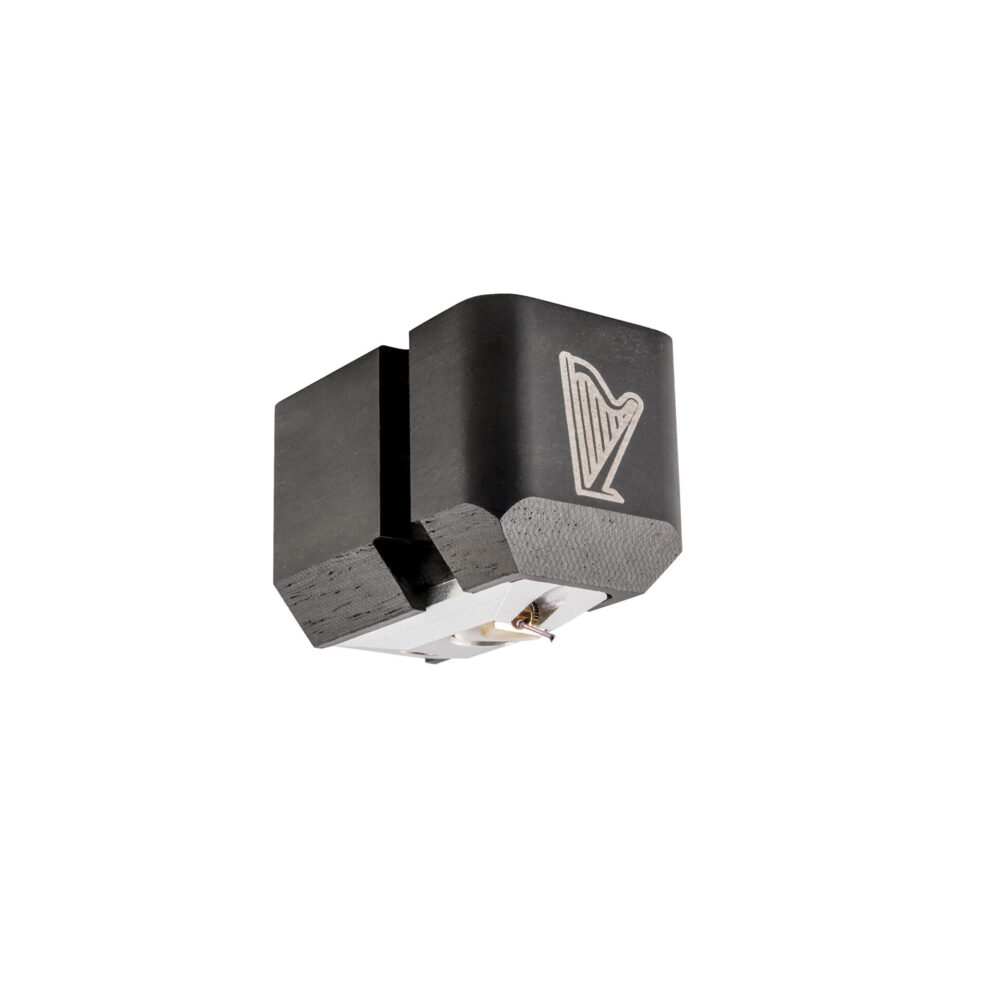
Precision Engineering: Our precision CNC-machined wooden enclosures are crafted to the tightest tolerances to perfectly encase the aluminum base motor. The motor utilizes our proprietary magnet system with a wider magnetic gap, driven by a samarium-cobalt magnet. The magnetic gap is closed by gold-plated pure iron yokes to ensure a uniform magnetic field. Our new magnet system is the secret to the OTTA’s warm, rich sound, especially in the low and mid-frequency ranges, where the human ear is most sensitive.
Materials: The wooden enclosure is made from red sandalwood from a very old tree, naturally dried for an extended period. The wooden enclosures are challenging to work with, as each batch is unique. To achieve optimal performance, they must be dried and aged under varying conditions to prevent future cracking and expansion.
Wire: The coils are wound by our most experienced technicians to the tightest tolerances to prevent uneven capacitance, which would negatively impact the sound. The wires are certified and genuine 6N OCC.
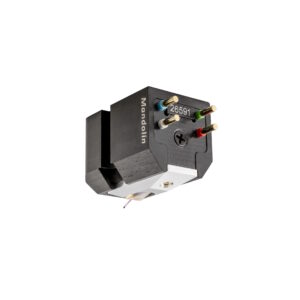
Craftsmanship: First-class craftsmanship by technicians with over 25 years of experience. Every OTTA cartridge undergoes independent quality control after manufacturing. Not only are test signal measurements recorded, but each cartridge is also mounted on a tonearm, and its performance is evaluated against various test recordings that the craftsmen use daily as a reference. Our first pickup system offers a glimpse into the musical pleasure that awaits the adventurous music lover. The mandolin pickup system is packed with technology.
OTTA’s goal, however, is to make this technology invisible, allowing the music to emerge against a deep black background. Musical reality is enhanced by a silky smoothness, resulting in every instrument, performer, and group being presented with a warm and full presence.
Technical Specifications:
Weight: 8.4 g
Body: Sandalwood
Cantilever: Ruby
Stylus: Refined elliptical diamond
Vertical tracking angle: 20 degrees
Coil: Square coil 6NOCC with special winding
Output voltage: 0.38 mV at 3.54 cm/s
Internal impedance: 8.6 ohms
Frequency response: 15 – 25,000 Hz
Channel balance: Better than 0.8 dB
Channel separation: Better than 26 dB
Dynamic compliance: 15 µm/mN
Recommended input impedance: 100 – 470 ohms
Recommended tracking force: 1.5 g – 2.0 g (1.8 g recommended)
Tracking capability at 315 Hz / 2 g: 75 µM
Recommended tonearm: Medium mass
Break-in time: 40 hours